
One Page for One Thing: Building a Specialty Page for Therapist Website Visitors
Seth, Founder @GrowMyTherapy6 min read
Someone types "EMDR for first responders [your city]" into Google at eleven at night. They land on a Services page with eleven things in one paragraph, EMDR wedged somewhere between couples work and life transitions, and they're gone inside ten seconds. The page didn't do anything wrong. It just tried to be about everything. The fix is a specialty page for therapist website visitors who arrive with one question: a single page, built around the one kind of work you most want to be known for.
Of all the pieces of therapist website design, this is the one we see skipped most often, and it's usually the cheapest to fix. If you'd rather have someone look at your current site with you, you can book a free discovery call and get a website diagnosis and a practical plan you can keep either way.
Key Takeaways
- Most of what people search is specific and low-volume, which is exactly where a focused page can compete.
- A list of services competes for broad terms that directories own. A page about one thing can compete for the specific search that brings a better-fit client.
- Build the first page for the work you want more of, not the work you already get the most of.
- One page will not rank by itself. It needs a distinct title, a clear URL, links from the rest of your site, and writing that supports it over time.
Why a list of services competes for nothing
The searches that fill a calendar are narrow, so a broad page loses. Ahrefs reports that keywords with fewer than 10 searches a month make up almost 93% of its U.S. keyword database (Ahrefs). Each one is tiny. Added together, they're most of what people type.
"Therapist" belongs to the directories and will keep belonging to them. "Couples therapy after an affair," "therapist for perinatal anxiety," "trauma therapy for nurses" are winnable, and the person typing one is often already half-decided.
Google's own guidance says the same thing. Its SEO Starter Guide tells site owners to "think about the words that a user might search for to find a piece of your content" (Google Search Central). A page that spreads its words across eleven specialties matches none of those searches well. A page about one of them can match closely, because every heading, paragraph and question on it is about the same thing.
What a specialty page for therapist website visitors has to do
It answers, in plain language, the questions someone has before they call. Google puts the test this way in its people-first content guidance: "After reading your content, will someone leave feeling they've learned enough about a topic to help achieve their goal?" (Google Search Central). For a prospective client, that goal is deciding whether to book.
In practice, the page usually covers five things:
- Who you see for this work. Name the population the way you would to a colleague making a referral. "Adults working through the aftermath of a traumatic event" says more than "trauma."
- How you approach it. Name the modality and say briefly what it involves from the client's side of the room. You know this far better than we do; the page just needs it in your words, without jargon.
- What the first steps look like: how someone gets in touch, what the first conversation covers, how long a session runs. Include these only if they're true for your practice and will stay true.
- Who it isn't right for. One honest sentence here builds more trust than a paragraph of reassurance, because it tells the reader you're describing a fit, not selling a slot.
- One way to book. A single clear next step, near the top and again at the end.
Two things help the page get found, and both are mechanical. Google asks for a distinct <title> that describes each page's content, and warns that pages sharing the same title are hard to tell apart (Google Search Central). It also notes that people use URLs "to understand whether a result will be useful for them" (Google Search Central). So /emdr-therapy, with a title that says what the page is about, is doing something. /services#3 isn't.
One note on wording. Some licensing boards treat "specialist" or "specializing in" as a claim about credentials, so check how your own board reads it before either word goes in a heading. "Focused on" or "my work with" usually says the same thing without raising the question.
Which specialty gets the first page
Start with the work you want more of, not the work that already arrives most often. That work finds you anyway, through referrals and directories. A specialty page is how you change the mix.
For many specialties, the demand is there. In the APA's 2023 Practitioner Pulse Survey of licensed psychologists, 56% reported having no openings for new patients, and 68% of those who treat anxiety disorders reported an increase in patients presenting with them (APA, 2023, 561 respondents). That survey covered psychologists rather than every licence, and it's a few years old. Still, for a full practice the question is less whether people will come and more who comes.
Examples of practices in our articles are composites drawn from our work, not a single client, and any identifying detail has been changed.
Picture a licensed counselor in Columbus whose caseload is mostly general anxiety. They trained in couples work and want more of it, but their homepage mentions couples therapy exactly once. A dedicated couples page, written in their voice and linked from the homepage, gives that work somewhere to be found for the first time. It doesn't guarantee the calls change. It does mean someone searching for that work has a page to land on.
If you serve one community in particular (a language, a faith tradition, a rural county, a profession), that can be the specialty. It's often the most winnable page on the site, because so few practices write one.

How one page fits into the rest of the site
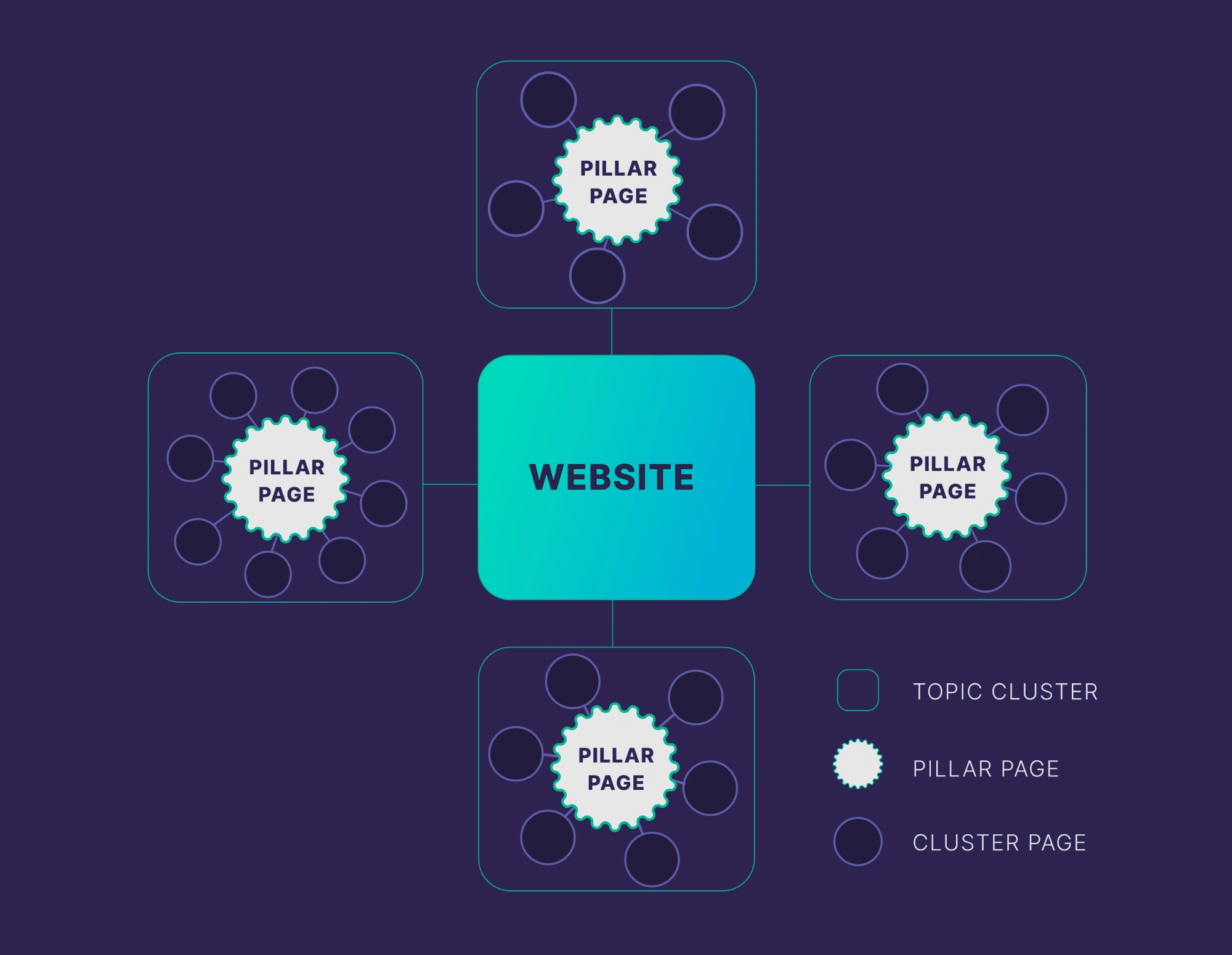
A specialty page works best at the center of a small cluster. Your homepage links to it. Your about page mentions the work. Each blog post on a related question, like what a first EMDR session involves or how couples work differs from individual therapy, links back to it with descriptive anchor text. That's the actual job of blog writing for therapists: each post answers one real question and sends a ready reader to the page that asks for the booking.
Be honest with yourself about the limits. One page won't outrank a directory on a broad term, and in a dense city market even a specific term can take months of supporting work before it shows up. We don't know how long it will take in your market, and anyone who gives you a date is guessing. What we can say is that the work compounds. A page that answers a real question keeps answering it, and every related post you add makes it easier to find.
If you're weighing whether to do this yourself or hand it off, our overview of marketing for therapists explains how the website, search and content pieces connect. If you practice as a counselor, there's also a page on websites for licensed counselors with examples from that field.
Start with one
You don't need a page for every modality you trained in. You need one page for the thing you most want to be known for, clear enough that a stranger searching at eleven at night knows within seconds they've found the right person. Build that one well. Then decide on a second.
If you'd like a second opinion before you start, schedule a free 30-minute discovery call and get a website diagnosis and a practical plan you can keep either way.
This article is marketing and business information for licensed mental-health professionals. Grow My Therapy is a marketing agency, not a clinical practice, and nothing here is clinical, legal, or financial advice. Results vary by practice, specialty and market. Check your own licensing board's advertising rules before publishing anything about your practice.
Seth Saklecha is the founder of Grow My Therapy, a marketing agency for therapists, and a software engineer by background.

Seth SInstagram Profile
Hi, I'm Seth, founder of Grow My Therapy. After working as a software engineer for two years, I decided to start a web design agency and chose to focus on therapists. Having experienced therapy myself, I have firsthand appreciation for the life-changing work they do, and I wanted to help them reach more people in need.